

Rights Respecting School
Our school is proud to be part of the Rights Respecting School programme, which places children’s rights at the heart of everything we do. This approach helps create a positive, inclusive environment where every pupil feels valued, heard, and respected. By learning about their own rights and the rights of others, pupils develop confidence, empathy, and a strong sense of responsibility. Being a Rights Respecting School strengthens our community and supports our commitment to nurturing happy, engaged, and active learners.
We are delighted to have been awarded the Bronze Rights Respecting School Award, recognising our strong commitment to placing children’s rights at the centre of school life. This achievement reflects the positive relationships, respectful culture, and shared values that our whole community works hard to uphold. Earning Bronze is an exciting first step on our journey, and we look forward to building on this foundation as we continue to empower pupils to understand their rights and the rights of others.
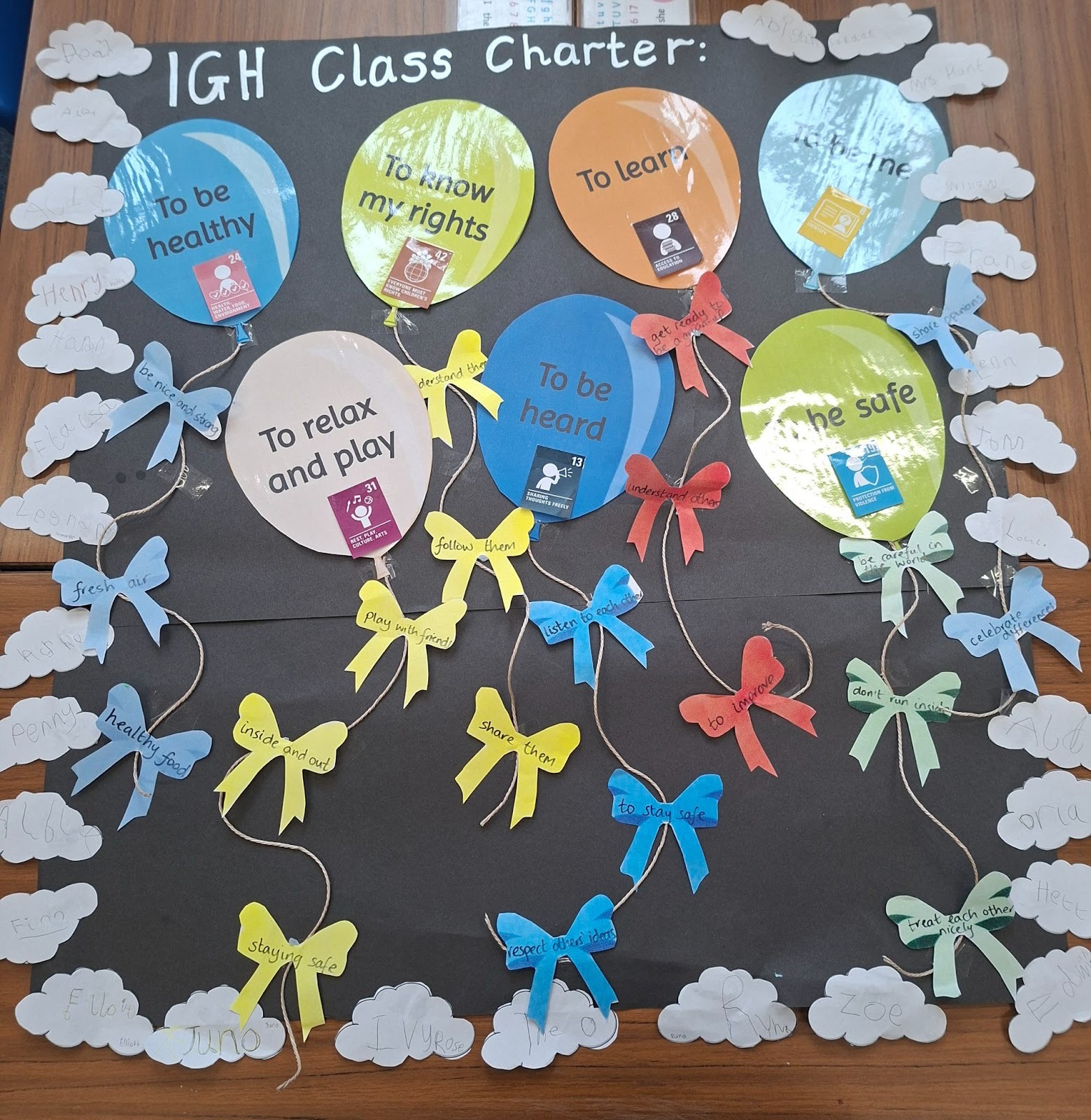
Since the start of our journey, these are some of the actions we have taken:
-
Established a Rights Respecting Pupil Steering group
-
Created class charters in each classroom
-
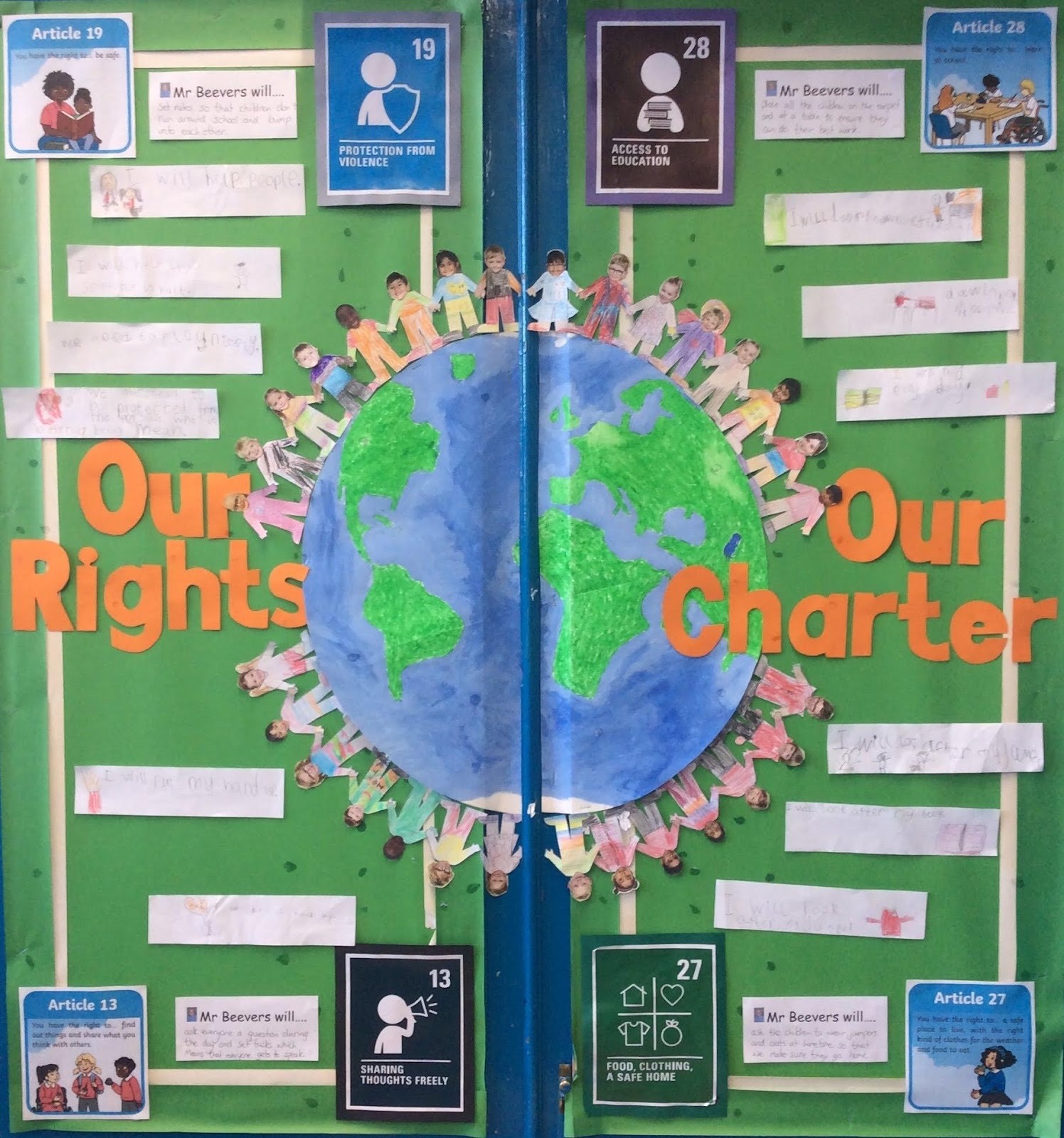
Displayed the Convention on the Rights of The Child around our school and in several languages spoken by many families and pupils in our school
-
Explore a Right in our whole school assemblies and Phase assemblies
-
Communication with our families highlights the rights we are focusing on
-
Creating a Lunchtime charter

We use Picture News in our whole school assemblies to help pupils connect with real-world events and develop a deeper understanding of the world around them. Each week, we explore a current news story through images, videos, and rich discussion, encouraging pupils to think critically, ask questions, and consider multiple perspectives. Picture News supports our work on British Values, global citizenship, and children’s rights by linking real-life issues to themes such as fairness, democracy, responsibility, and respect. These assemblies not only spark curiosity and debate but also help pupils build confidence in expressing their views, developing empathy, and understanding their role in a changing world.
Below are some of the areas/subjects of the news stories:
-
Environmental issues, such as changes in weather patterns, plastic pollution, new conservation projects, or global efforts to protect endangered animals.
-
Scientific discoveries and space exploration, like new space missions, inventions designed to help people, or breakthroughs in renewable energy.
-
Community and kindness stories, including children making a positive difference, charity efforts, or people helping others during difficult times.
-
Significant national or global events, such as elections, sporting tournaments, or major celebrations and commemorations.
-
Ethical and debate-based stories, for example: “Should homework be banned?”, “Is technology making life better or worse?”, or “Should animals be kept in zoos?”
Art whole school project – Rights Respecting inspired art
Each class has focused on one article that they will explore during our Rights Respecting programme. Following this, the children have each produced a piece of artwork that represents the artcile their class have focused on.